
Scaling Nonprofit Impact through AI-Driven Collaboration
Mary Pickford Arts Alliance
A collaborative platform that helps LA art nonprofits work together. Most small arts organizations in Los Angeles struggle because they work in isolation. I designed a digital hub that uses AI to match organizations with the right partners, making it easy for them to share resources, find funding, and create bigger community impact. I led the entire design process, from talking to stakeholders to to building the final website screens.
How Might We transform the way LA arts groups collaborate, moving them from individual survival to collective success through shared resources?
The Problem
Small LA arts nonprofits are stuck in isolation. With no money and limited staff, they struggle to find partners or share expensive resources like galleries and equipment. Without a way to collaborate, they miss out on funding and community impact.
The Goal
To build a digital ecosystem that uses AI-driven matching to help nonprofits find partners in seconds. The goal is to move the community from competition to collaboration, allowing them to share costs and co-apply for grants.
FEATURE 01
The Public Interface
Build trust with the community and attract new donors.
-
Impact Showcase: A public gallery of successful collaborations that proves the power of the network to potential donors.
-
Transparency Reporting: Clear financial and impact dashboards that build confidence and encourage higher donation rates.
-
Call to Action: An inviting "Join As A Member" path designed to bring local nonprofits into the ecosystem.

FEATURE 02
The Member Portal
A private workspace where nonprofits turn ideas into reality.
-
AI-Powered Matchmaking: An intelligent engine that analyzes location and goals to suggest the most compatible partners for your next project.
-
Resource Sharing Hub: A digital marketplace to list or borrow equipment, event spaces, and volunteer hours, significantly lowering operating costs.
-
Collaboration Workspace: A dedicated area for members to co-develop grant proposals and manage joint initiatives in one place.
Design Journey

Insight Synthesis
I interviewed 3 Foundation stakeholders and 6 Nonprofit leaders to understand why they don't work together more often.
The Findings

Funding Barriers
Most grants don’t reward collaboration, so groups focus only on their own survival.

Burnout
Staff are too busy with daily operations to spend time looking for partners.

Mismatched Goals
It’s hard to find other organizations that share the same specific mission or location.

Ideation
Instead of just a directory, I designed an AI-matching system. It analyzes an organization's location and goals to suggest the best partners automatically.
This helps them
-
Secure bigger grants together.
-
Build long-term relationships instead of "one-off" projects.
-
Share expensive resources (like event spaces or equipment).
Information Architecture
I split the platform into two clear parts to serve different audiences:
Public Site For Everyone
Goal
Build trust and attract donors.
Features
Success stories, transparency reports, and a "Join Us" call-to-action.
Member Portal For Nonprofits
Goal
Get work done
Features
AI partner matching, resource database, and shared workspaces.

Wireframe & Iterations
I focused on two main improvements during the design process:
-
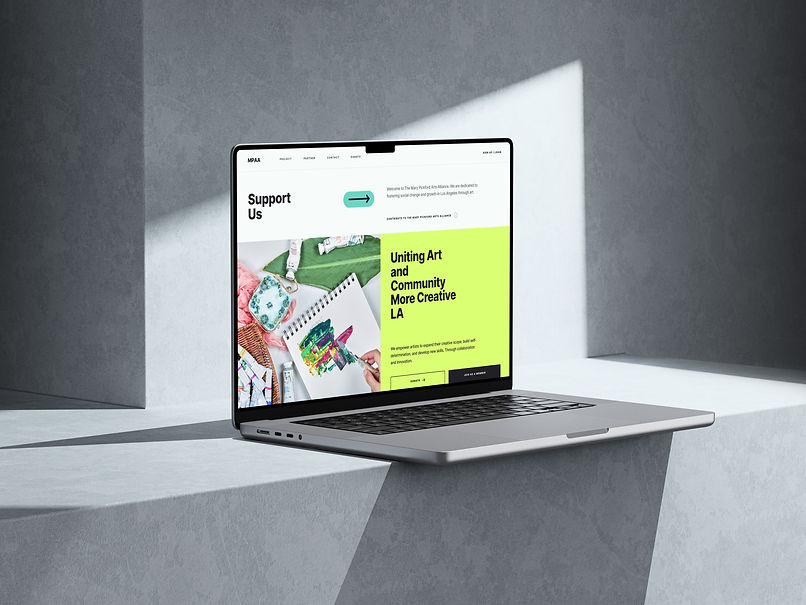
Storytelling: I redesigned the homepage to lead with a "Vision" rather than just data, making it more inviting for new users.
-
Clarity: I simplified the AI-matching screens. I moved from "complex data" to "clear action items" so busy nonprofit staff can understand their matches instantly.
01 Main Page

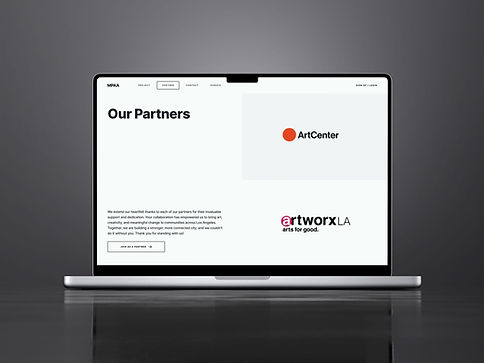
02 AI-Powered Collaboration Proposal + Resource Sharing


Stakeholder Feedback
"Resource sharing is a critical need. This platform is highly scalable and will help our nonprofits maximize their impact while lowering their costs."
— Mary Pickford Foundation Stakeholder
What I Learned
-
AI for Good: I learned how to use AI as a practical tool to solve human problems, not just as a "cool feature."
-
Balancing Needs: I practiced balancing what the Foundation wanted (transparency) with what the Users needed (less paperwork and better tools).
-
Designing for Impact: This project taught me how to turn a complex social problem into a simple, usable digital product.